Embryo transfer is the step in which an IVF laboratory’s embryo is placed inside the uterus, but the quality of that step depends on timing, embryo selection, uterine preparation and laboratory practice. By the end, you will know how fresh and frozen transfers differ, what questions to ask an embryo transfer clinic in Pune, and how to compare success figures without relying on the label “best.”
Key takeaways
- Plan four to six weeks for a complete fresh IVF cycle.
- Frozen transfers require uterine preparation before the embryo is transferred.
- Ask how the clinic selects embryos and recommends single or double transfer.
- Use a clinic-set pregnancy test date instead of testing too early.
What happens during embryo transfer, and how long does IVF take?
An IVF cycle from ovarian stimulation to the pregnancy test usually takes about four to six weeks. A frozen transfer may require a separate uterine-preparation cycle, extending the timeline.
- Ovarian stimulation: Daily hormone injections usually continue for 8–14 days, with ultrasound scans and blood tests tracking follicle growth.
- Trigger and egg retrieval: A trigger injection completes egg maturation. Retrieval follows about 34–36 hours later using a needle guided through the vagina, usually with sedation.
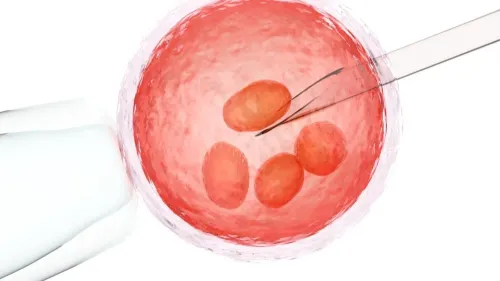
- Fertilisation and culture: The laboratory fertilises the eggs through IVF or ICSI and grows embryos for three days or to the blastocyst stage on day five or six.
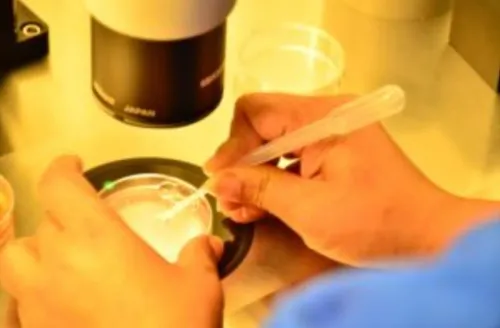
- Transfer or freezing: A selected embryo enters the uterus through a soft catheter passed through the cervix under ultrasound guidance. General anaesthesia is not usually needed. Remaining suitable embryos can be frozen.
- Pregnancy test: Continue prescribed progesterone and take a blood beta-hCG test about 9–14 days after transfer, not an early home test that can mislead you after a trigger injection.
The embryo number depends on age, embryo development, previous outcomes and twin-pregnancy risk; transferring one embryo often reduces complications. When comparing embryo transfer IVF Pune or IVF treatment Pune options, ask whether the quoted result means clinical pregnancy or live birth and whether it is measured per transfer or per started cycle.
Fresh or frozen transfer: how is the uterus prepared?
Fresh transfer uses the endometrium that develops during ovarian stimulation, with transfer usually on day 3 or day 5 after retrieval. Frozen transfer uses an embryo thawed later, so the uterine lining must be synchronised with that embryo’s age; it is not simply an easier version of fresh transfer.
| Preparation approach | How the uterus is prepared | When it applies |
|---|---|---|
| Natural cycle | Ultrasound tracks the dominant follicle and ovulation; transfer is timed by the ovulation date. | Patients who ovulate regularly |
| Modified-natural cycle | A trigger injection schedules ovulation, followed by transfer at the matching embryo age. | Ovulatory patients needing tighter timing |
| Programmed cycle | Oestrogen builds the lining, then progesterone starts; transfer follows the required progesterone exposure. | Irregular or absent ovulation, or when scheduling control matters |
No approach is best for every patient. In a fresh cycle, stimulation and egg retrieval can disrupt luteal function, so progesterone support is standard; the vaginal, intramuscular, oral or combined route and its duration must come from your clinician. Frozen-cycle support also depends on the selected protocol.
Before any transfer, assess the uterine cavity. A submucosal fibroid, polyp, adhesion, congenital cavity abnormality or untreated hydrosalpinx can reduce implantation, and a routine ultrasound may miss intracavitary disease. Ask an embryo transfer IVF Pune clinic what evaluation is indicated.
Before choosing an ivf center embryo transfer programme, ask whether its results separate fresh and frozen transfers and report live birth per transfer, not only pregnancy rates.
How are embryos selected, and should you transfer one or two?
Select the embryo with the strongest combination of development, morphology and clinical context—not simply the one with the highest-looking grade. A day-5 blastocyst offers more selection information than a day-3 cleavage-stage embryo, but extended culture can leave no embryo available for transfer. The choice depends on embryo number, quality, age and laboratory performance.
Blastocyst grading records expansion and the appearance of two cell groups: the inner cell mass, which forms the fetus, and the trophectoderm, which forms much of the placenta. Grades such as 4AA describe morphology, not a guarantee of implantation or live birth.
PGT-A can identify some chromosome abnormalities, but it is not required for every patient and does not guarantee a higher cumulative live-birth rate.
Ask an IVF center embryo transfer team how these factors shape its recommendation:
- Thaw survival: vitrification and warming quality matter; ask for the laboratory’s thaw-survival data and what happens if an embryo does not survive.
- One embryo: this reduces twin pregnancy and its risks, including preterm birth and pregnancy complications, while preserving remaining embryos for later transfer.
- Two embryos: this may be discussed after considering age, embryo quality, previous outcomes and the risk of multiples—not simply to raise a per-transfer pregnancy rate.
An embryo transfer clinic Pune patients compare should report live birth, not only pregnancy, and state whether results come from single or multiple embryo transfers.
What should you do after transfer, and when should you test?
Do not stop or change progesterone after transfer. Your clinician must specify the route—vaginal, oral, intramuscular or combined—and the stopping date. Do not add antibiotics, steroids, anticoagulants or other “implantation” medicines without a stated indication and discussion of evidence, cost and harm.
| Area | Do | Avoid or act |
|---|---|---|
| Activity | Walk, use stairs normally and follow ordinary daily routines. | Prolonged bed rest; it does not improve live-birth rates. Avoid strenuous exercise if your clinic instructs you to. |
| Travel | Ask about travel plans, carry medicines in hand luggage and keep access to urgent care. | Travel that prevents scheduled blood tests or leaves you far from medical help. |
| Testing | Have quantitative serum beta-hCG on the clinic’s specified date, often 9–14 days after transfer. | An unusually early home test: trigger-injected hCG can cause a misleading positive. |
For embryo transfer IVF Pune patients and anyone receiving IVF treatment in Pune, contact the clinic urgently for heavy bleeding, severe or one-sided pelvic pain, fainting, shoulder-tip pain, fever, breathlessness, rapidly increasing abdominal swelling or reduced urine.
A positive beta-hCG needs follow-up ultrasound to confirm the pregnancy’s location and development; it does not establish viability by itself.
How to compare the best IVF center for embryo transfer in Pune
A high pregnancy rate does not prove that a clinic is the best IVF center for embryo transfer in Pune. Compare live birth, not only “success,” and check whether the figure is calculated per embryo transfer, retrieval, initiated cycle, embryo or patient.
Ask for age bands, own versus donor eggs, fresh versus frozen transfers, single versus multiple embryo transfers, cumulative live birth and multiple-pregnancy rates.
| Measure | Ask the embryo transfer clinic Pune for | Warning sign |
|---|---|---|
| Live birth | Age-stratified live births per initiated cycle and cumulative live birth after fresh plus frozen transfers | Only pregnancy rates, no denominator, or cancelled cycles excluded |
| Uterus | Ultrasound plus saline sonography or hysteroscopy when indicated; assessment for polyps, submucosal fibroids, adhesions, cavity anomalies and hydrosalpinx | A normal ultrasound treated as proof that the cavity is normal |
| Laboratory | Embryologist qualifications, day-3/day-5 culture policy, vitrification and thaw-survival records, witnessing or traceability systems, and the genetics laboratory used for PGT-A | PGT-A presented as a guaranteed live-birth increase |
| Add-ons | Evidence, price and harms for embryo glue, scratching, immune therapy, antibiotics and empiric anticoagulants | Bundled treatments offered without a specific indication |
Also ask why elective single-embryo transfer is recommended; transferring two raises twin-pregnancy risks. Routine bed rest after transfer is not a proven benefit.
During an IVF treatment Pune consultation, Cradle Ivf Consultant - Dr. Sachin Jadhav can help you match the proposed uterine assessment, embryo number and laboratory plan to your medical history rather than a headline success rate.
Frequently asked questions
How long does embryo transfer IVF take?
An IVF cycle from ovarian stimulation to the pregnancy test usually takes four to six weeks. A frozen transfer can take longer because uterine preparation may require a separate cycle.
How is the uterus prepared for fresh and frozen embryo transfer?
A fresh transfer follows ovarian stimulation and egg collection. A frozen transfer uses a separate cycle in which the clinic prepares the uterine lining before thawing and transferring the embryo.
Should you transfer one embryo or two?
The decision depends on embryo quality, your age, treatment history and medical risks. Ask the specialist why a single or double transfer is recommended, including the chance of multiple pregnancy.
When should you take a pregnancy test after embryo transfer?
Follow the clinic's specified test date, because testing too early can produce an unclear or misleading result. Ask when to test if bleeding or pain occurs before that date.
How do you compare an IVF center for embryo transfer in Pune?
Compare the clinic's transfer process, embryo-selection explanation, fresh and frozen protocols, laboratory standards, counselling, aftercare instructions and communication about results.