Semen problems and medical conditions that complicate pregnancy require more than a routine IVF appointment. You will learn which tests matter, how to prepare for them, when severe male-factor infertility needs genetic or surgical evaluation, and what a safe high-risk fertility plan should include before treatment begins.
Key takeaways
- Repeat abnormal semen testing before choosing treatment.
- Request sperm retrieval and genetic evaluation for severe male-factor infertility.
- Bring medical records, medication lists, and pregnancy history to high-risk consultations.
- Compare clinics by andrology access, emergency planning, and coordinated specialist care.
When male-factor findings need an andrology consultation
One semen report is a starting point, not a diagnosis. Seek structured andrology care when sperm are absent, the concentration is very low, motility or morphology remains abnormal on repeat testing, or the sample contains no ejaculated sperm despite orgasm.
The assessment should connect semen analysis with the testes, epididymis, reproductive tract, hormones and medical history.
Arrange an andrology consultation if you have:
- Erectile dysfunction, painful ejaculation, reduced ejaculation or suspected retrograde ejaculation.
- Testicular pain, small or undescended testes, a palpable varicocele, or marked testicular size difference. A non-palpable varicocele seen only on ultrasound does not automatically justify surgery.
- Previous groin, scrotal or pelvic surgery, genital infection, trauma, chemotherapy, radiation, testosterone or anabolic-steroid use.
- Two abnormal semen analyses, azoospermia, severe oligospermia, or repeated inability to produce a complete sample.
- Recurrent pregnancy loss, which can prompt assessment of sperm DNA damage alongside evaluation of both partners.
A fertility clinic in Aundh for andrology care should offer or coordinate these services:
| Finding | Why a semen report alone is insufficient | Useful next assessment |
|---|---|---|
| Azoospermia | Sperm absence may reflect obstruction, hormone failure or impaired production | Hormones, examination, genetic testing and obstruction assessment |
| Very low count | Treatment depends on severity and cause | Repeat analysis, endocrine review and genetic counselling |
| Palpable varicocele | Imaging alone cannot establish treatment need | Reproductive-urology examination and semen correlation |
| Ejaculatory difficulty | Sperm may be produced but not delivered | Medication review, urine testing and retrieval planning |
How to prepare for semen testing and interpret the results
Provide the sample exactly as the laboratory instructs; collection errors can make healthy sperm look abnormal.
1. Avoid ejaculation for the abstinence interval specified by the laboratory, commonly 2–7 days. Collect the entire sample by masturbation into the supplied sterile container. Do not use lubricant or a household condom, because both can affect sperm movement.
2. Record any spilled portion, the collection time and recent fever, medication or illness. If you collect at home, keep the container close to body temperature and deliver it within the laboratory’s stated time, often within 30–60 minutes.
3. Semen volume measures fluid quantity. Sperm concentration measures sperm per millilitre, while total count measures sperm in the whole ejaculate. Motility measures movement; progressive motility identifies sperm moving forward. Morphology measures shape, and vitality measures whether sperm are alive. Antisperm-antibody testing looks for antibodies that interfere with movement or fertilisation.
4. Hormone tests measure signals such as follicle-stimulating hormone, luteinising hormone and testosterone that regulate sperm production. Examination and scrotal ultrasound assess the testes, epididymis and conditions such as a palpable varicocele; genetic tests look for inherited causes when sperm counts are extremely low or absent.
One abnormal report does not prove permanent infertility. Sperm production varies between samples, and illness, fever, abstinence length or incomplete collection can change the result. A fertility clinic in Aundh should arrange at least two semen analyses, ideally about one month apart, before drawing conclusions.
WHO reference limits guide interpretation; they are not a fertility verdict.
The diagnostic and treatment pathway for severe male-factor infertility
Absent sperm requires a diagnosis before treatment. Repeat the semen analysis under laboratory instructions, then assess testicular size, vas deferens, epididymis and varicocele. Blood tests commonly include FSH, LH, morning testosterone and prolactin; ultrasound helps when examination suggests obstruction or a scrotal problem.
1. Distinguish the cause. A blocked reproductive tract can leave sperm production intact, while testicular failure usually raises FSH and hormonal suppression can reduce sperm production. Ask about prior vasectomy, groin surgery, infections, chemotherapy, testosterone or anabolic-steroid use.
2. Order genetic testing when sperm are absent or extremely scarce. Karyotyping and Y-chromosome microdeletion testing assess severe testicular failure; CFTR testing is relevant when both vas deferens are absent. Genetic counselling explains inheritance and whether sperm retrieval is worthwhile.
3. Treat the cause. Use hormone treatment for documented endocrine deficiency, not as a general remedy for primary testicular failure. Consider varicocele repair only for a palpable varicocele with infertility and abnormal semen results; do not operate on an imaging-only varicocele.
4. Plan sperm retrieval when production is possible but ejaculation or transport fails. PESA or MESA suits some obstructive cases, while testicular sperm extraction, including micro-TESE, is considered for selected non-obstructive azoospermia.
| Option | When it applies | Main limitation |
|---|---|---|
| IUI | Adequate motile sperm after preparation | Poor choice with extremely low or absent sperm |
| IVF | Sperm numbers permit fertilisation attempts | Requires enough usable sperm |
| ICSI | Severe male factor or surgically retrieved sperm | Not a universal upgrade |
Choose an andrology fertility clinic in Pune that coordinates endocrine testing, genetics, reproductive urology and retrieval—not an IVF laboratory alone. In Aundh, that coordinated pathway prevents premature IVF and identifies donor sperm when retrieval cannot provide safe, usable sperm.
What high-risk fertility care requires before treatment
Do not start ovulation treatment, IUI or IVF until a clinician decides that pregnancy is medically reasonable now, not merely technically possible. The review should cover disease control, medication safety, vaccination status, folic-acid planning, pregnancy risks and the hospital able to manage obstetric, anaesthetic and neonatal complications.
High risk fertility care in aundh should begin before conception or embryo transfer.
Ask the team to document:
- Whether diabetes, hypertension, thyroid disease, kidney disease or heart disease needs treatment adjustment before stimulation.
- Whether autoimmune medicines, anticoagulants, blood-pressure drugs or seizure medicines are compatible with pregnancy.
- Whether thrombophilia, previous pre-eclampsia, stillbirth, preterm birth or recurrent miscarriage requires maternal-fetal medicine, cardiology, nephrology or haematology input.
- Whether advanced maternal age, obesity or a genetic concern changes embryo testing, counselling, transfer planning or the recommended treatment.
| Condition or history | Safety review before treatment | Decision to make |
|---|---|---|
| Diabetes or hypertension | Review glucose or blood-pressure control and pregnancy-safe medicines | Delay treatment if control is unsafe |
| Thyroid disease | Check thyroid function and adjust replacement or antithyroid treatment | Confirm a pregnancy-appropriate plan |
| Heart or kidney disease | Assess organ function, anaesthetic risk and pregnancy tolerance | Identify a hospital and specialist team |
| Clotting history or autoimmune disease | Review thrombosis, bleeding and medication risks | Decide whether anticoagulation or specialist monitoring is needed |
| Prior severe complication or advanced age | Review recurrence risk, genetics and delivery planning | Consider maternal-fetal medicine referral |
IVF does not remove miscarriage, ectopic pregnancy, ovarian hyperstimulation syndrome, hypertension or preterm-birth risk. Single-embryo transfer, when clinically appropriate, reduces the added risk of multiple implantation.
How to compare an Aundh clinic for coordinated fertility care
Choose a fertility clinic in Aundh for andrology care by testing its referral network, not by counting IVF services. A semen report alone is insufficient: ask who evaluates hormones, testes, obstruction, genetic causes and sperm retrieval. For high risk fertility care in Aundh, confirm that medical review starts before stimulation or embryo transfer.
Ask the clinic to show how it handles:
- Quality-controlled semen analysis, repeat testing and complete sample documentation.
- Endocrine testing, scrotal ultrasound, genetic counselling and reproductive-urology referral.
- Azoospermia: distinguishing obstructive, testicular and hormonal causes before recommending IVF or ICSI.
- Diabetes, hypertension, thyroid, kidney or heart disease, epilepsy, thrombophilia and prior severe pregnancy complications.
- Medication changes, disease-control targets, folic-acid planning, vaccinations and referral to maternal-fetal medicine.
- Single-embryo transfer when appropriate, since IVF does not remove risks such as multiple pregnancy, ovarian hyperstimulation syndrome, ectopic pregnancy, miscarriage, hypertension or preterm birth.
| Comparison point | What to verify | Warning sign |
|---|---|---|
| Andrology pathway | Named andrologist or reproductive urologist, hormone testing and sperm-retrieval access | IVF is offered without finding the cause of azoospermia |
| Laboratory | Semen-analysis quality control and a documented repeat-test process | One abnormal report becomes a permanent diagnosis |
| High-risk pathway | Medication review, specialist referrals and a hospital plan for obstetric, anaesthetic and neonatal complications | The clinic discusses stimulation but not pregnancy safety |
| Practice fit | Cradle Ivf Consultant - Dr. Sachin Jadhav can be considered if its consultation includes these coordinated reviews or clearly arranged referrals | Services are assumed rather than confirmed |
Related services
INFERTILITY SPECIALIST/INFERTILITY DOCTOR IN AUNDH,PUNE INFERTILITY SPECIALIST/INFERTILITY DOCTOR IN AUNDH,PUNE Dr Sachin Jadhav is A Reliable and one of the Best Infertility specialist/Infertility Doctor in Aundh and Entire Pune. View service → |
IVF/FERTILITY SPECIALIST IN AUNDH, PUNE IVF/FERTILITY SPECIALIST IN AUNDH, PUNE Dr Sachin Jadhav is A Reliable and one of the Best IVF/Fertility Specialist/IVF/Fertility Doctor in Aundh and Entire Pune. View service → |
Frequently asked questions
When should you seek an andrology consultation for male-factor infertility?
Seek structured andrology care when sperm are absent, concentration is very low, motility or morphology stays abnormal on repeat testing, or no sperm appears in the ejaculate despite orgasm.
How should you prepare for semen testing?
Follow the laboratory’s abstinence instructions, collect the complete sample in its sterile container, record collection time, and report illness, fever, medicines, or difficulty collecting.
What happens after severe male-factor infertility is confirmed?
The pathway can include repeat semen analysis, hormone testing, physical examination, genetic tests, imaging, treatment of reversible causes, sperm retrieval, and assisted conception planning.
What does high-risk fertility care require before treatment?
Before treatment, the team reviews medical conditions, medicines, previous pregnancies, surgical history, anaesthetic risks, laboratory results, and a monitoring and emergency plan.
How can you compare a fertility clinic in Aundh for coordinated care?
Ask whether the clinic provides direct andrology access, repeat semen testing, male-factor treatment, high-risk assessment, clear referral pathways, documented costs, and follow-up after each decision.
Related items
Fertility Enhancing Endoscopic Surgeries Fertility Enhancing Endoscopic Surgeries What is fertility enhancing surgery? Laparoscopy surgery can remove the extra tissue and improve fertility. View service → |
IVF/FERTILITY SPECIALIST IN PUNE IVF/FERTILITY SPECIALIST IN PUNE Dr Sachin Jadhav is A Reliable and one of the Best IVF/Fertility Specialist/IVF/Fertility Doctor in Shivajinagar Deccan and Entire Pune. View service → |
INFERTILITY SPECIALIST/INFERTILITY DOCTOR IN PUNE INFERTILITY SPECIALIST/INFERTILITY DOCTOR IN PUNE Dr Sachin Jadhav is A Reliable and one of the Best Infertility specialist/Infertility Doctor in Shivajinagar Deccan Entire Pune. View service → |
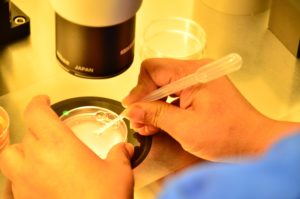 | In-Vitro Fertilization (IVF Treatment) & ICSI Treatment What is IVF? It is micromanipulation technique used in the process of IVF which involves injection a single sperm into the centre of mature oocyte... View product → |