
Deciding when to seek help, which tests matter, and whether a clinic offers genuine value can be difficult when every fertility journey is different. By the end, you will know how coordinated care can shorten delays, what to expect from an evaluation, and how to compare clinics without relying on promotional claims.
Key takeaways
- Choose one clinic for consultation, testing, treatment and monitoring.
- Ask which female infertility tests fit your symptoms and medical history.
- Compare treatment plans using age, ovarian reserve and diagnosis—not slogans.
- Check licences, monitoring access, counselling and follow-up before choosing a clinic.
When does a fertility clinic make care faster and more coordinated?
A fertility clinic in Pune for women makes care faster when consultation, ultrasound, blood testing, tubal assessment, treatment planning, monitoring, counselling and follow-up share one care pathway. Results reach the clinician who changes medication, schedules the next scan or reviews a problem, instead of waiting for separate appointments.
Seek specialist care at these points:
- Under age 35: after 12 months of regular unprotected intercourse without pregnancy.
- Ages 35 to 39: after 6 months.
- Age 40 or older: promptly, without waiting a full year.
- Earlier at any age for irregular periods, suspected endometriosis, tubal disease, recurrent miscarriage or another known risk factor.
Age affects egg quantity and quality, while the duration of trying shows how long delay has already lasted. Previous pregnancies do not exclude secondary infertility; a past miscarriage, ectopic pregnancy or difficult conception can increase urgency.
For residents, local care in Pune reduces travel between repeated scans, blood tests, medication changes and urgent reviews. It also makes counselling practical when treatment causes anxiety, stigma or financial strain. This convenience and continuity does not guarantee higher pregnancy rates than care elsewhere.
Ask whether the clinic links each step and explains realistic chances by age, diagnosis and pregnancy history. A coordinated pathway should prevent duplicated tests and lost results, but it should not rush you into IVF when diagnosis-led treatment is more suitable.
Which female infertility problems can a Pune clinic investigate?
The initial work-up asks whether ovulation occurs, whether the uterus and tubes can support pregnancy, and whether ovarian reserve affects treatment planning. A fertility clinic in Pune also reviews menstrual and pregnancy history, including miscarriages, previous operations and pregnancy complications. Both partners need assessment because sperm-related factors contribute wholly or partly to many infertility cases.
| Problem | What the clinic investigates | Usual investigations |
|---|---|---|
| Ovulation disorders and polycystic ovary syndrome | Irregular or absent ovulation | Cycle history, transvaginal ultrasound, day-2 or day-3 hormone tests when appropriate, thyroid-stimulating hormone and prolactin |
| Diminished ovarian reserve | Likely response to stimulation | AMH, antral follicle count and age |
| Endometriosis, fibroids and uterine abnormalities | Pelvic disease, cavity distortion or adhesions | Pelvic examination when indicated, transvaginal ultrasound and further imaging or hysteroscopy when needed |
| Tubal blockage | Whether sperm and egg can meet | Hysterosalpingography or another tubal-patency test |
| Recurrent pregnancy loss | Uterine, hormonal and other contributors | Pregnancy history, examination and targeted tests |
| Unexplained infertility | No cause found after standard assessment | Complete female work-up plus semen analysis |
AMH and antral follicle count estimate ovarian response to stimulation; they do not prove whether natural conception is possible. Age remains a major predictor of egg quality and pregnancy, even when these results look reassuring. A normal female assessment also does not exclude male-factor infertility, so semen analysis belongs in the initial evaluation.
How should diagnosis, age and ovarian reserve shape treatment?
IVF should follow the diagnosis, not replace it. In female infertility treatment Pune, age, time trying, previous pregnancies and ovarian reserve help set urgency, but the underlying problem determines the treatment. A younger woman with regular ovulation and blocked tubes needs a different plan from a woman aged 39 with markedly reduced ovarian reserve.
For many women with PCOS, letrozole is first-line ovulation induction when no other infertility factor is present. IVF is not automatically the answer. Discuss these diagnosis-led pathways:
- Tubal blockage can require tubal surgery in selected cases or IVF; IUI will not overcome blocked tubes. Severe endometriosis, significant male-factor infertility or markedly reduced ovarian reserve can also move treatment toward surgery, IUI or IVF, depending on the findings.
- Surgery can help when fibroids distort the uterine cavity, adhesions impair the cavity, or selected tubal and endometriosis problems are treatable. Tubal surgery raises ectopic-pregnancy risk, while ovarian endometrioma surgery can reduce ovarian reserve; ask what benefit justifies each risk.
- Routine endometrial scratching, immune treatments and preimplantation genetic testing for aneuploidy are not universally necessary. Ask for the specific indication, evidence quality, added cost, possible harm and whether the add-on improves live birth rather than only an intermediate result.
- Ask how age and ovarian reserve affect expected response, time available and whether delaying treatment for surgery or repeated ovulation induction is sensible. A clear explanation is more valuable than an IVF-first package.
What happens from the first appointment through monitoring and follow-up?
At the first appointment, the clinician reviews cycle dates, pregnancy and miscarriage history, previous operations, medicines, medical conditions and fertility treatment, then selects examinations and tests.
- Menstrual records and prior ultrasound and laboratory reports
- Operation notes, discharge summaries and medication lists
- Your partner’s semen reports
Evaluation may take one visit or several, depending on cycle timing, test availability and whether tubal assessment is needed. During treatment, repeated ultrasound scans, blood tests and medication adjustments can continue across one cycle, followed by a results review and next-step plan.
| Setting | Ultrasound | Embryology | Surgery and anaesthesia | Emergency review and counselling |
|---|---|---|---|---|
| General gynaecology practice | Ask | Ask | Ask | Ask |
| Hospital department | Ask | Ask | Ask | Ask |
| Standalone IVF centre | Ask | Usually central to service | Ask | Ask |
| Fertility clinic Pune | Confirm | Confirm | Confirm | Confirm |
Ask specifically whether the service provides all six elements rather than assuming its name guarantees them. Cradle Ivf Consultant - Dr. Sachin Jadhav may fit a Pune-based pathway if these services are coordinated or reliably referred.
For PCOS or a high ovarian response, ask about antagonist protocols, GnRH-agonist triggering, cabergoline when appropriate and freeze-all treatment to reduce OHSS risk. Confirm access to urgent review for pain, breathlessness or rapid abdominal swelling, plus counselling about treatment strain and stopping care.
Related services
INFERTILITY SPECIALIST/INFERTILITY DOCTOR IN PUNE INFERTILITY SPECIALIST/INFERTILITY DOCTOR IN PUNE Dr Sachin Jadhav is A Reliable and one of the Best Infertility specialist/Infertility Doctor in Shivajinagar Deccan Entire Pune. View service → |
INFERTILITY SPECIALIST/INFERTILITY DOCTOR IN AUNDH,PUNE INFERTILITY SPECIALIST/INFERTILITY DOCTOR IN AUNDH,PUNE Dr Sachin Jadhav is A Reliable and one of the Best Infertility specialist/Infertility Doctor in Aundh and Entire Pune. View service → |
How can you test a claim that a clinic is the best IVF center in Pune?
A “best IVF center Pune” claim is marketing, not a regulated clinical outcome. Test it with documents, definitions and direct questions rather than rankings or testimonials.
1. Ask for the treating doctor’s qualifications and registration, the clinic’s current registration under the Assisted Reproductive Technology (Regulation) Act, 2021 and its rules, and written consent procedures. Check its stated treatment indications, embryo-storage duration and access rules, donor-gamete screening and allocation policy, record-retention process, and advertising standards.
2. Request laboratory details: documented standard operating procedures, internal quality control, equipment calibration, incubator monitoring, specimen traceability and a process for reporting laboratory incidents. Ask for live birth rates per initiated cycle or egg retrieval, separated by patient age and diagnosis, plus the multiple-pregnancy rate. Pregnancy per embryo transfer alone is incomplete.
3. Ask how complications are recorded and disclosed, especially ovarian hyperstimulation syndrome (OHSS). For PCOS or a high ovarian response, discuss an antagonist protocol, a GnRH-agonist trigger, cabergoline when appropriate, and a freeze-all strategy; ask whether the clinic explains single-embryo transfer and the risks of prematurity, low birth weight and hypertensive disease from multiple pregnancy.
4. Demand an itemised estimate showing medicines, ultrasound scans, blood tests, laboratory work, anaesthesia, embryo storage and follow-up charges. Reject any pregnancy guarantee. Treat endometrial scratching, immune treatments or preimplantation genetic testing for aneuploidy as optional decisions requiring evidence, cost and harm discussions—not add-ons presented as universally necessary.
Frequently asked questions
When does a fertility clinic make care faster and more coordinated?
Care is more coordinated when consultation, ultrasound, blood tests, tubal assessment, treatment planning, monitoring, counselling and follow-up share one pathway.
Which female infertility problems can a Pune clinic investigate?
A clinic can investigate ovulation disorders, diminished ovarian reserve, tubal blockage, endometriosis, fibroids, polycystic ovary syndrome and unexplained infertility.
How should age and ovarian reserve shape treatment?
Age and ovarian reserve help determine how quickly to investigate, which treatment options to discuss and how many treatment steps are reasonable.
What happens during a fertility clinic visit?
The process usually includes medical history, examination, targeted tests, diagnosis, treatment planning, ultrasound or blood-test monitoring, and follow-up after treatment.
How can you test a claim that a clinic is the best IVF center in Pune?
Ask for details about doctor qualifications, clinic licences, laboratory arrangements, monitoring access, treatment risks, written costs and follow-up care.
Related items
IVF/FERTILITY SPECIALIST IN PUNE IVF/FERTILITY SPECIALIST IN PUNE Dr Sachin Jadhav is A Reliable and one of the Best IVF/Fertility Specialist/IVF/Fertility Doctor in Shivajinagar Deccan and Entire Pune. View service → |
IVF/FERTILITY SPECIALIST IN AUNDH, PUNE IVF/FERTILITY SPECIALIST IN AUNDH, PUNE Dr Sachin Jadhav is A Reliable and one of the Best IVF/Fertility Specialist/IVF/Fertility Doctor in Aundh and Entire Pune. View service → |
Fertility Enhancing Endoscopic Surgeries Fertility Enhancing Endoscopic Surgeries What is fertility enhancing surgery? Laparoscopy surgery can remove the extra tissue and improve fertility. View service → |
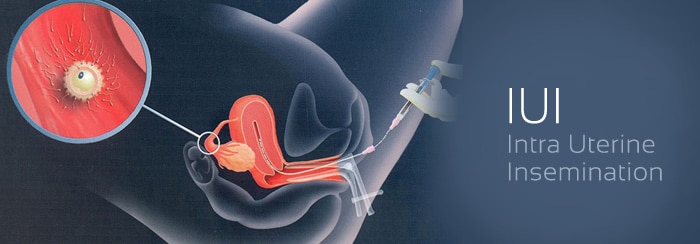 | Intra-Uterine Insemination (IUI) Intrauterine Insemination (IUI) is the least invasive, effective, relatively simple, cheap, first line assisted conception treatment method for... View product → |