The choice between standard IVF and ICSI depends on what happened during fertilisation, not simply on having an infertility diagnosis or wanting the most advanced option. By comparing the laboratory steps, reviewing the reason for any failed cycle, and asking targeted questions about sperm, eggs, embryos and transfer, you can identify which approach addresses your situation.
Key takeaways
- ICSI injects one sperm into an egg; standard IVF lets sperm fertilise eggs in a laboratory dish.
- Severe male-factor infertility or failed fertilisation supports ICSI more strongly than unexplained infertility.
- ICSI after failed IVF means reviewing what happened, not automatically repeating the same treatment.
- Compare Pune clinics by laboratory expertise, counselling, safety reporting, and clear treatment costs.
What changes between standard IVF and ICSI?
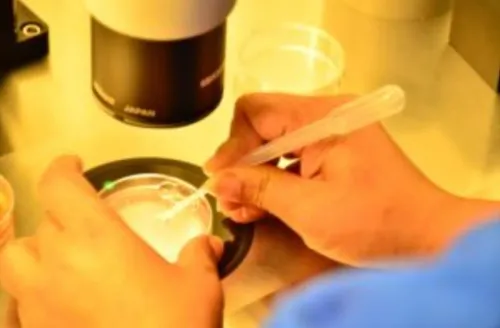
The direct difference in ICSI versus IVF occurs at fertilisation. Before that point, ovarian stimulation, monitoring scans and blood tests, egg retrieval, and sperm preparation are broadly shared. The insemination method changes:
| Option | Laboratory method | Main purpose |
|---|---|---|
| Standard IVF | Prepared sperm are placed around a mature egg in a culture dish; one sperm must reach, bind to and enter the egg. | Reasonable when sperm concentration, movement and morphology are adequate and there has been no previous fertilisation failure. |
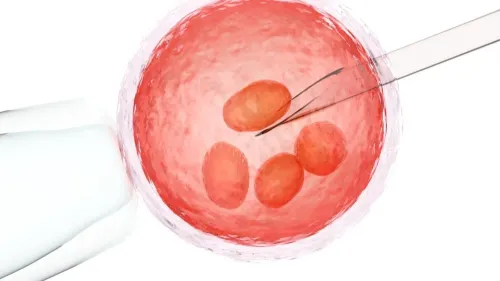
| ICSI | An embryologist selects one sperm and injects it directly into a mature egg. | Bypasses difficulty with sperm movement, binding or penetration. |
After either method, the laboratory checks which eggs fertilised normally and cultures the resulting embryos for several days. The team then transfers a suitable embryo into the uterus or freezes suitable embryos for later use.
ICSI does not improve egg quality, correct chromosomal abnormalities, treat endometriosis by itself, open blocked tubes or guarantee implantation or pregnancy. A higher fertilisation rate in the dish does not automatically produce more pregnancies or live births.
ICSI also adds micromanipulation, a risk of damaging an egg and laboratory cost. Standard IVF remains a sound choice when semen parameters are adequate and the treatment history gives no evidence of failed sperm–egg interaction.
Which findings support ICSI, and when is standard IVF enough?
The choice between ICSI treatment or standard IVF after fertility problems in Pune should start with the fertilisation risk, not the infertility label. The clearest reasons to favour ICSI are significant male-factor infertility, surgically retrieved sperm, or a previous IVF cycle with absent or very low fertilisation.
Review the complete semen assessment: concentration, progressive movement, morphology, variation between samples, sperm availability on egg-collection day, and whether surgical retrieval is required. One abnormal number does not settle the decision.
| Finding | More appropriate approach | Reason |
|---|---|---|
| Adequate concentration, movement and morphology; mature eggs; no fertilisation failure | Standard IVF | Sperm and egg interaction can be tested without injection |
| Significant male-factor infertility or surgically retrieved sperm | ICSI | Injection bypasses difficulty with movement, binding or penetration |
| Previous absent or very low fertilisation | ICSI | The history points to a fertilisation-related problem |
| Few mature eggs | Individual laboratory discussion | Each mature egg matters, but this alone does not prove ICSI is needed |
Tubal status determines whether IVF is needed to bypass blocked or damaged tubes; it does not determine whether sperm injection is required. Unexplained infertility, advanced maternal age, endometriosis, low ovarian reserve and a previous unsuccessful embryo transfer do not independently establish an ICSI indication.
Standard IVF remains sensible when semen parameters are adequate, mature eggs are available and there is no history suggesting failed sperm–egg interaction. For ICSI treatment in Pune, compare its expected benefit with extra micromanipulation, laboratory cost and the small risk of damaging an egg.
What does “ICSI after failed IVF” actually mean?
“ICSI after failed IVF” describes several different outcomes, and only one points directly toward changing the fertilisation method. No eggs retrieved suggests an ovarian-response or egg-retrieval problem; no mature eggs suggests an egg-maturation problem. Absent or very low fertilisation after standard IVF raises the clearest reason to consider ICSI.
- Review the number of eggs retrieved and the number inseminated.
- Confirm how many eggs were mature and record the fertilisation observations.
- Examine sperm preparation, concentration, progressive motility and the sample used that day.
- Track embryo development from day to day, including whether embryos stopped growing or none suited transfer.
- Compare the ovarian stimulation response with the retrieval result.
- Review the uterine cavity, including fibroids or polyps, plus endometrial preparation.
- Check transfer details: catheter passage, embryo placement and whether the procedure was difficult.
Poor embryo development or no embryo suitable for transfer needs an embryo, egg, sperm or laboratory review. Failed implantation, miscarriage and no live birth need assessment of embryo chromosomes, the uterus, endometrium and transfer circumstances; they do not automatically justify sperm injection.
ICSI cannot correct low ovarian reserve, age-related egg chromosome abnormalities, inadequate endometrial preparation, cavity-distorting fibroids or polyps, or an embryo-transfer problem. Ask the specialist to identify a fertilisation-related reason before adding it. Switching methods without that evidence adds egg-injection work without addressing the actual failure.
What does an ICSI cycle involve, and what should you ask about its risks?
An ICSI cycle involves repeated appointments during ovarian stimulation, followed by egg retrieval, laboratory fertilisation, embryo development and a pregnancy test. The exact dates depend on your response and the clinic’s findings, so request a written calendar before starting.
1. Take ovarian stimulation injections and attend monitoring scans and blood tests. The clinic uses these results to adjust medication and plan retrieval timing.
2. Attend egg retrieval at the date supplied. Your partner provides a sperm sample that day, or the team performs surgical sperm retrieval when indicated.
3. In the embryology laboratory, an embryologist selects sperm and injects one into each suitable mature egg.
4. The laboratory cultures the resulting embryos and reports their development. The team then decides whether to make a fresh embryo transfer or freeze suitable embryos.
5. Take the pregnancy test on the date supplied by the clinic, even if you have bleeding or pregnancy symptoms.
Ask the specialist about egg damage from injection and the possibility that an egg that would have fertilised normally underwent an invasive step. Severe male infertility or surgically retrieved sperm warrants genetic counselling; some causes can pass a Y-chromosome-related infertility risk to a male child.
Studies also report a small possible increase in some congenital or developmental risks after ICSI, although infertility-related factors complicate the cause. This supports counselling, not an assumption that ICSI is unsafe or automatically superior.
How can you compare fertility clinics before choosing IVF or ICSI in Pune?
A clinic’s headline success rate cannot show whether ICSI is justified. Ask a fertility clinic in Pune to answer these questions for your sperm, eggs and treatment history:
- Why do you recommend ICSI, and what benefit do you expect over standard IVF?
- How many mature eggs would you consider suitable for ICSI?
- What is the plan if sperm are unexpectedly unavailable on retrieval day?
- What are your comparable fertilisation, embryo-development, pregnancy and live-birth outcomes?
- How do you define each outcome, and is ICSI priced per cycle or per egg?
- What is the total laboratory cost, including the policy and fee for rescue ICSI if standard IVF produces unexpectedly low fertilisation?
| Measure | Ask the clinic to define it |
|---|---|
| Fertilisation | Normally fertilised eggs divided by mature eggs inseminated |
| Embryo development | The day assessed and criteria for continued culture or freezing |
| Pregnancy | Whether the figure means a positive test or ultrasound-confirmed pregnancy |
| Live birth | The patients and treatment cycles included in the denominator |
Confirm the clinic’s registration under India’s Assisted Reproductive Technology (Regulation) Act framework. Registration shows regulatory compliance; it does not prove that you personally need ICSI.
In Aundh, Cradle Ivf Consultant - Dr. Sachin Jadhav can review prior IVF records and the fertilisation choice. Bring semen reports, stimulation records, egg-retrieval numbers, embryology reports and transfer notes so the review targets the actual failure point.
Frequently asked questions
What changes between standard IVF and ICSI?
Both treatments usually share ovarian stimulation, monitoring, egg retrieval, and sperm preparation. In standard IVF, prepared sperm and eggs are placed together for fertilisation. In ICSI, an embryologist injects one sperm directly into each mature egg.
Which findings support ICSI, and when is standard IVF enough?
ICSI has a stronger rationale with very low sperm count or movement, abnormal sperm shape, surgically retrieved sperm, previous failed fertilisation, or frozen eggs. Standard IVF can be enough when sperm parameters and the expected egg yield support fertilisation without direct injection.
What does ICSI after failed IVF actually mean?
It means changing the fertilisation method after reviewing the earlier cycle. Ask whether the failure involved no fertilisation, low fertilisation, egg maturity, sperm performance, laboratory handling, or another factor before accepting ICSI as the next step.
What does an ICSI cycle involve, and what should you ask about its risks?
The cycle usually includes ovarian stimulation, ultrasound and blood-test monitoring, egg retrieval, sperm preparation, injection of mature eggs, embryo culture, and embryo transfer or freezing. Ask about risks from retrieval, ovarian stimulation, embryo development, laboratory error controls, and the clinic’s policy when eggs do not survive injection.
How can you compare fertility clinics before choosing IVF or ICSI in Pune?
Compare the embryology laboratory, doctor and embryologist experience, treatment recommendations, consent process, reporting of fertilisation results, emergency support, storage arrangements, and a written cost breakdown. Ask why the clinic recommends IVF or ICSI for your specific findings.