Choosing fertility care involves more than asking whether a clinic offers IVF. You need to understand what the first assessment covers, which treatment fits the cause of infertility, what each cycle demands, and how to compare safety, laboratory support and outcome data before committing.
Key takeaways
- Bring both partners to the first fertility consultation when possible.
- Ask why each test is needed before agreeing to a test package.
- Compare clinics by treatment explanations, monitoring, laboratory care and follow-up.
- Ask when ICSI is recommended and how embryos are assessed and transferred.
What happens during the first fertility consultation?
Both partners should attend the first appointment with an IVF doctor in Aundh where possible. The doctor should understand the problem before recommending treatment, not begin with an automatic test package.
1. Review the menstrual pattern, ovulation symptoms, duration of trying, contraception, pregnancies, miscarriages, previous fertility treatment, operations, infections, medicines, sexual frequency or difficulties, and relevant family history.
2. A general or pelvic examination is useful when it will change management. Treat urgent symptoms or an active pelvic infection before fertility treatment.
3. Request semen analysis to measure sperm concentration, movement and shape. An abnormal result may require repeat testing and a male examination.
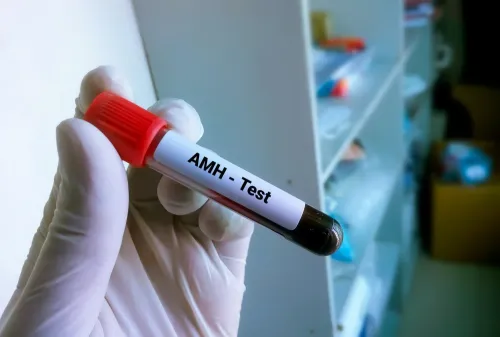
4. Order tests for specific questions: AMH and antral follicle count estimate ovarian response to stimulation, not natural-conception odds or egg quality. Thyroid-stimulating hormone and prolactin detect endocrine problems that can disrupt ovulation. Pelvic ultrasound examines the ovaries and uterus for fibroids, polyps and clues to endometriosis.
Hysterosalpingography or another tubal-patency test checks whether sperm and egg can meet; saline sonography or hysteroscopy assesses the uterine cavity.
5. Finish with a written plan stating which tests are needed, why each is being ordered, the timeline and investigation costs.
A fertility clinic in Aundh should explain what each result could change. Ask for this plan before agreeing to bundled investigations.
How is the treatment route chosen?
IVF is not automatically the first step at a fertility clinic in Aundh: the route depends on age, ovarian reserve, ovulation, sperm results, tubal status, endometriosis, uterine findings, infertility duration and previous cycles.
1. Expectant management can suit selected couples with a reasonable chance of conceiving naturally. Ovulation induction with timed intercourse treats irregular or absent ovulation after the underlying cause is assessed.
2. IUI combines ovarian stimulation, ultrasound monitoring, a washed semen sample and timed placement of sperm inside the uterus. Cancel the cycle if too many follicles develop, because multiple-pregnancy risk rises. IUI needs less laboratory work and a less invasive procedure than IVF, but gives less control over fertilisation and embryo selection.
3. IVF becomes more relevant with significant tubal disease, some endometriosis, reduced time because of age, repeated unsuccessful lower-intensity treatment or selected male-factor cases. An ivf specialist in Aundh should explain why the expected benefit justifies its medication, monitoring and laboratory burden.
4. Surgery can help when a polyp, cavity-distorting fibroid, endometriosis or hydrosalpinx is likely to affect treatment. It is a poor default if it would delay IVF, reduce ovarian reserve or add risk without a clear benefit.
5. Discuss donor sperm, donor eggs, fertility preservation and referral for male-reproductive, genetic, surgical or other medical care when indicated. Treat active pelvic infection, uncontrolled medical disease or an undiagnosed uterine problem before embryo transfer.
What does an IVF or IUI cycle demand in practice?
A cycle demands more than the procedure itself: plan for monitoring visits, injections, travel, work absence and decisions that can change quickly. An IVF doctor in Aundh should give you a written schedule and explain who reviews results on weekends.
1. Baseline assessment is followed by daily stimulation injections, ultrasound scans, hormone tests and dose changes. IUI usually involves ovarian stimulation, monitoring, a washed semen sample and timed insemination.
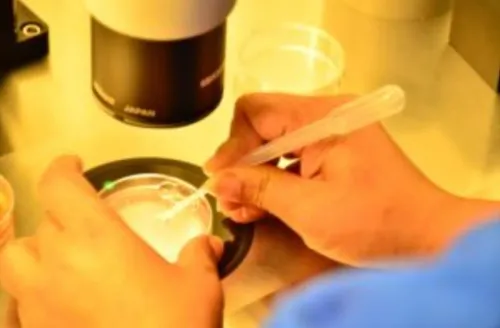
2. IVF ends stimulation with a trigger injection, then egg retrieval under sedation or anaesthesia. The laboratory fertilises eggs, cultures embryos and plans either fresh or frozen embryo transfer.
3. After transfer, continue the prescribed medicines and take the pregnancy blood test on the stated date. If positive, arrange an early ultrasound and instructions for ongoing care.
4. Ask how many visits are expected, where weekend monitoring occurs, how far you will travel from Aundh and how much leave to reserve. Retrieval recovery can involve pelvic soreness, bloating and fatigue; separate surgery needs its own recovery plan.
Risks include ovarian hyperstimulation syndrome, bleeding, infection, anaesthesia complications, ectopic pregnancy and multiple pregnancy. Risk reduction may include an antagonist protocol, a GnRH-agonist trigger, cabergoline for selected patients or freeze-all treatment when OHSS risk is high.
A cycle can stop after poor or excessive response, no mature eggs, failed fertilisation, arrested embryos or no suitable embryo. Seek urgent help for severe abdominal pain, breathlessness, fainting, heavy bleeding or reduced urine.
Before starting, discuss emotional support, consent, embryo storage and disposal, miscarriage, a negative result and the next decision.
When does IVF use ICSI, and what happens to the embryo?
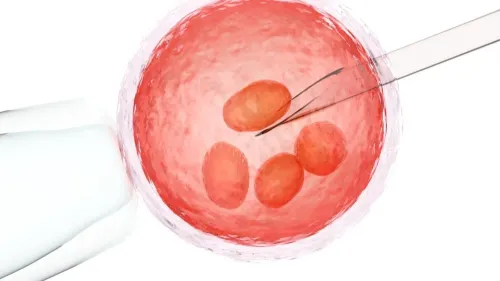
1. Conventional IVF places prepared sperm around a mature egg and relies on one sperm fertilising it. ICSI injects a single sperm directly into the egg.
An IVF specialist in Aundh should recommend ICSI when sperm numbers or movement are severely impaired, sperm is retrieved surgically, or an earlier cycle produced very low or no fertilisation.
2. Routine ICSI does not clearly improve outcomes for every patient without a male-factor indication. Ask what specific problem it addresses and whether it carries a separate charge. After fertilisation, embryologists monitor cell division and embryo development for several days before recommending transfer or freezing.
3. Single-embryo transfer is often preferred when a suitable embryo exists. Transferring two or more embryos raises twin and higher-order pregnancy risks, including premature birth and neonatal complications. Ask how embryo quality, uterine findings, sperm factors, age, ovarian reserve and previous cycles affect the recommendation.
4. PGT-A can identify abnormal chromosome counts, but it is not a universal embryo-quality test. Discuss biopsy limits, mosaic results, having few embryos and the possibility that testing finds no transferable embryo; PGT-A does not guarantee implantation or a healthy live birth.
The care plan should also explain the evidence for testing in your situation, rather than promise a fixed success rate or rely on claims about the best IVF center in Aundh.
How can you compare an IVF clinic in Aundh before deciding?
A “best ivf center in aundh” cannot be identified from a slogan or one pregnancy percentage. Ask for age-stratified live-birth results and clarify whether each figure is calculated per initiated cycle, egg retrieval, embryo transfer or cumulative treatment.
| Check | Ask for | Why it matters |
|---|---|---|
| Outcome | Clinical pregnancy or live birth? | Pregnancy does not confirm a baby was born. |
| Sample | How many cases are included? | A small total can distort results. |
| Comparability | Do patients match your age, ovarian reserve and sperm factors? | Different patient groups produce different outcomes. |
Check the treating doctor’s recognised medical registration and relevant training. Ask who performs egg retrieval and embryo transfer, and request the embryology laboratory’s name and accreditation details so you can verify them independently.
Request an itemised estimate covering consultations, monitoring, medicines, retrieval, anaesthesia, ICSI, embryo freezing, storage, transfer, genetic testing and surgery. Read the cancellation, refund, consent, records-access and grievance policies before paying.
Ask these practical questions:
- Who answers emergencies, and how is OHSS managed?
- What laboratory contingency plan protects embryos during equipment or power failure?
- Is counselling available, and can your partner participate?
- Who provides follow-up after a negative test or miscarriage?
For Aundh patients, compare monitoring hours, travel time, retrieval recovery arrangements and communication between visits. Cradle Ivf Consultant - Dr. Sachin Jadhav can be compared with another fertility clinic in aundh by asking the same questions about the work-up, alternatives, laboratory responsibilities and follow-up.
Related services
IVF/FERTILITY SPECIALIST IN AUNDH, PUNE IVF/FERTILITY SPECIALIST IN AUNDH, PUNE Dr Sachin Jadhav is A Reliable and one of the Best IVF/Fertility Specialist/IVF/Fertility Doctor in Aundh and Entire Pune. View service → |
IVF/FERTILITY SPECIALIST IN PUNE IVF/FERTILITY SPECIALIST IN PUNE Dr Sachin Jadhav is A Reliable and one of the Best IVF/Fertility Specialist/IVF/Fertility Doctor in Shivajinagar Deccan and Entire Pune. View service → |
Frequently asked questions
What happens during the first fertility consultation?
The doctor reviews both partners’ medical, reproductive and treatment history, discusses the pregnancy goal, and recommends tests that fit the clinical situation. Both partners should attend when possible.
How is the fertility treatment route chosen?
The route depends on findings from the consultation and investigations, including factors affecting ovulation, sperm, fallopian tubes, age and previous treatment. A doctor should explain why IUI, IVF or another approach fits the findings.
What does an IVF or IUI cycle demand in practice?
You need to plan appointments, medicines, monitoring scans and blood tests where prescribed, timing around insemination or egg collection, and follow-up. Ask the clinic for a visit schedule and instructions for missed doses or unexpected symptoms.
When does IVF use ICSI, and what happens to the embryo?
ICSI involves injecting one sperm into an egg and is considered when sperm-related or previous fertilisation problems make it appropriate. After fertilisation, embryos are monitored in the laboratory before a selected embryo is transferred or preserved according to the treatment plan.
Related items
INFERTILITY SPECIALIST/INFERTILITY DOCTOR IN AUNDH,PUNE INFERTILITY SPECIALIST/INFERTILITY DOCTOR IN AUNDH,PUNE Dr Sachin Jadhav is A Reliable and one of the Best Infertility specialist/Infertility Doctor in Aundh and Entire Pune. View service → |
INFERTILITY SPECIALIST/INFERTILITY DOCTOR IN PUNE INFERTILITY SPECIALIST/INFERTILITY DOCTOR IN PUNE Dr Sachin Jadhav is A Reliable and one of the Best Infertility specialist/Infertility Doctor in Shivajinagar Deccan Entire Pune. View service → |
Fertility Enhancing Endoscopic Surgeries Fertility Enhancing Endoscopic Surgeries What is fertility enhancing surgery? Laparoscopy surgery can remove the extra tissue and improve fertility. View service → |
 | In-Vitro Fertilization (IVF Treatment) & ICSI Treatment What is IVF? It is micromanipulation technique used in the process of IVF which involves injection a single sperm into the centre of mature oocyte... View product → |