Before you agree to IVF, you need more than a treatment name and a success-rate percentage. You need to understand why it has been recommended, what testing could change the plan, how each stage will affect your time and health, and what happens if the cycle does not produce a transferable embryo.
Key takeaways
- Bring records of pregnancies, miscarriages, surgeries and previous fertility treatments.
- Ask why IVF is recommended instead of timed intercourse, medication or IUI.
- Confirm injection timing, monitoring visits, egg retrieval and the full cycle timeline.
- Request age-specific success figures and ask how risks affect your treatment plan.
What should happen in the first IVF consultation?
A first IVF specialist consultation in Pune should reconstruct your infertility history, not move straight to IVF. Expect questions about how long you have been trying, intercourse frequency, pain or difficulty during sex, and any previous pregnancy, miscarriage, ectopic pregnancy, abortion, infertility treatment or pelvic surgery.
Review menstrual length, bleeding pattern, ovulation symptoms, contraception, medicines, allergies, thyroid disease, diabetes, endometriosis, infections, weight changes and family history. Bring records for both partners:
- Previous semen analyses, hormone tests, ultrasound reports, operative notes and medication lists
- Male evaluation: semen volume, sperm concentration, motility and morphology
- Female evaluation: ovulation, AMH, antral follicle count, pelvic ultrasound, uterus and tubal patency when relevant
Both partners need assessment because infertility can involve sperm, ovulation, the tubes, the uterus, several factors or no identifiable cause. An abnormal semen analysis usually deserves repeat testing because results vary between samples; persistent or severe abnormalities warrant male-reproductive evaluation.
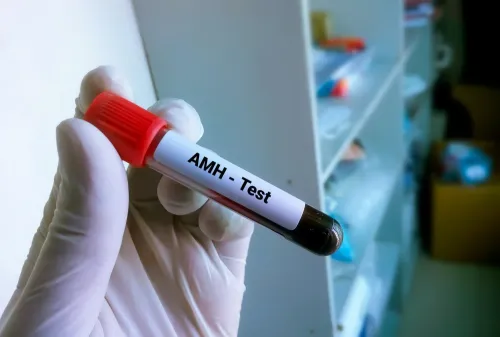
During an IVF specialist Pune consultation, ask what the findings actually justify. Timed intercourse, ovulation induction, IUI, surgery or no immediate treatment may fit better than IVF. AMH and antral follicle count estimate ovarian response and egg numbers, not egg quality or a guaranteed live birth.
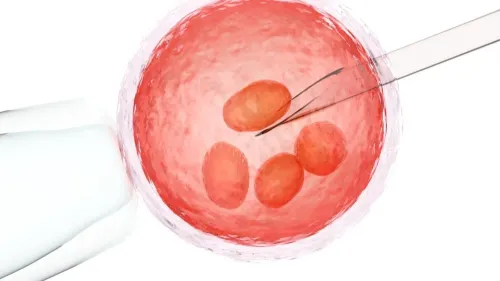
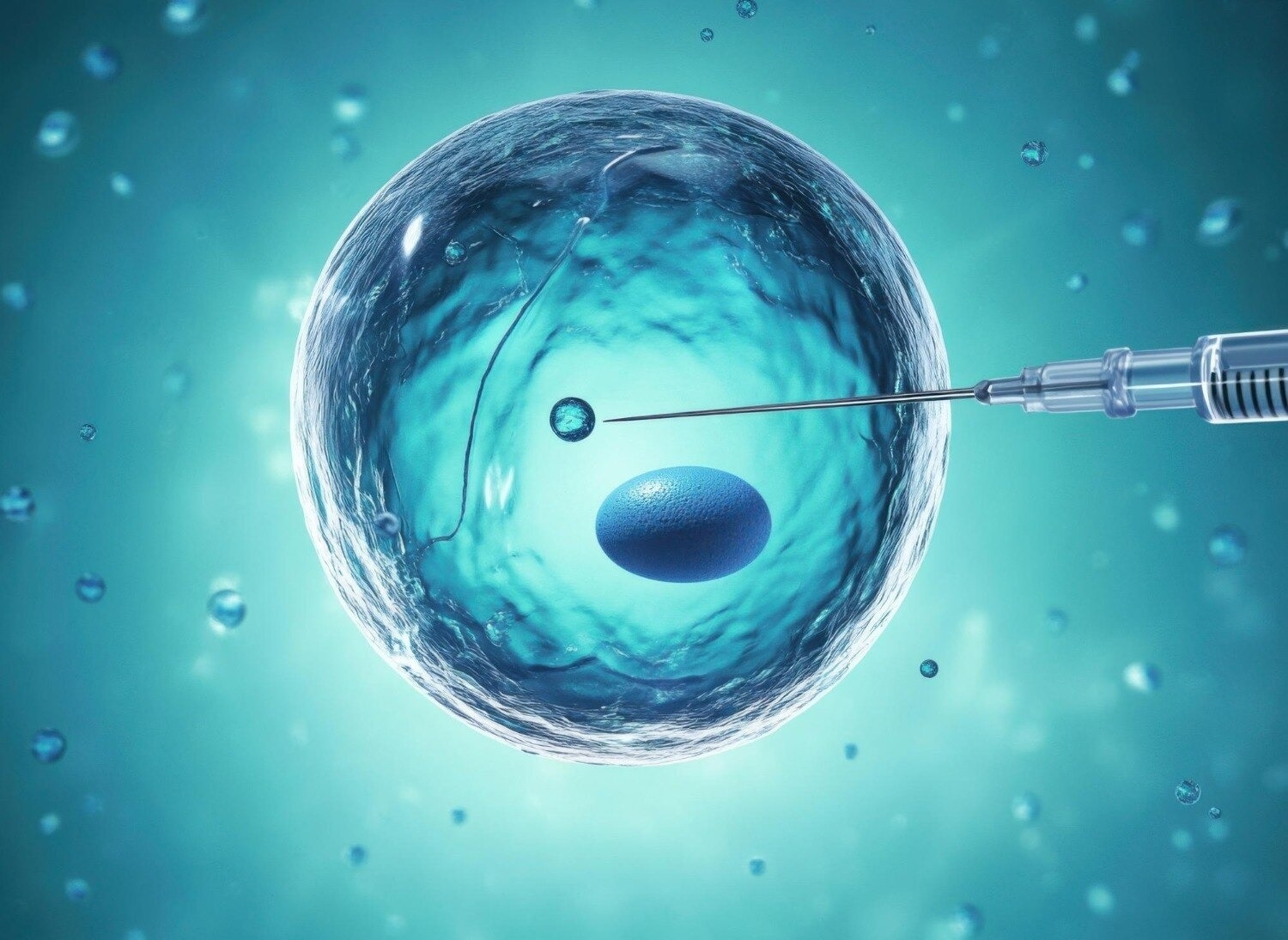
Age, previous treatment response, sperm findings and treatment goals must shape the recommendation. ICSI deserves specific justification, such as severe male-factor infertility, surgically retrieved sperm or previous fertilisation failure; it is not a universal upgrade.
How is the right treatment chosen instead of assuming IVF?
IVF is not automatically the next step. The recommendation should match the cause, your age, how long you have tried, previous treatment and your goals. An IVF specialist in Pune should explain these links during an IVF treatment discussion in Pune, not present IVF as a default package.
1. If you ovulate regularly, have open tubes and reassuring sperm results, timed intercourse may be reasonable. Irregular ovulation may call for ovulation-induction medicine with ultrasound monitoring to reduce multiple-pregnancy risk. IUI can suit selected ovulation, unexplained infertility or mild male-factor cases.
2. Surgery may correct a uterine-cavity problem, endometriosis or another treatable finding. A communicating hydrosalpinx deserves specific discussion because laparoscopic salpingectomy or proximal tubal occlusion before IVF can improve implantation; weigh this against ovarian reserve, adhesions, surgical risk and remaining tubal function.
3. Ask how age changes egg aneuploidy and miscarriage risk. AMH and antral follicle count estimate stimulation response and egg numbers, not egg quality or a guaranteed live birth: low AMH does not prove pregnancy is impossible, while normal AMH does not make IVF certain. Include previous stimulation response, sperm findings and your goals.
4. Repeat an abnormal semen analysis because results vary. Severe or persistent abnormalities may require male-reproductive evaluation and can change the plan before IVF or ICSI; ICSI is not a universal upgrade. The consultation should state why no immediate treatment, medication, timed intercourse, IUI, surgery, IVF or ICSI is next.
What will an IVF cycle involve, and how long will it take?
An IVF cycle usually takes about two weeks of stimulation and monitoring, followed by egg retrieval; an embryo-transfer cycle may happen later and involves only preparing the uterus and transferring a frozen embryo.
| IVF cycle | Daily stimulation, monitoring, trigger injection, retrieval, fertilisation and embryo culture | When eggs must be collected |
|---|---|---|
| Embryo-transfer cycle | Endometrial preparation, embryo thawing and transfer | After fresh transfer is unsuitable or embryos were frozen |
| Possible outcome | Transfer, freeze-all, cancellation or no transferable embryo | Poor response, excessive response, failed fertilisation, illness or an unsafe endometrium |
Stimulation uses daily gonadotropins such as follitropin alfa or urofollitropin. A GnRH antagonist, such as ganirelix or cetrorelix, may prevent premature ovulation. Your IVF specialist in Pune should show you where to inject, how to store each medicine, what to do after a missed dose and which symptoms require an urgent call.
Monitoring combines vaginal ultrasound scans with estradiol and other blood tests, requiring several visits over roughly two weeks. Bloating, injection-site soreness, headache and mood changes are common. Severe abdominal swelling, breathlessness, faintness, persistent vomiting, reduced urine or rapid weight gain can indicate ovarian hyperstimulation syndrome.
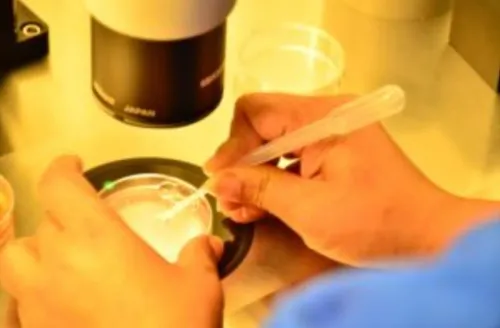
A precisely timed hCG or leuprolide trigger precedes retrieval, which is performed through the vagina under sedation or anaesthesia. Arrange transport, do not drive that day, and ask when work and exercise can resume. The laboratory uses conventional IVF or ICSI, cultures embryos for several days, then transfers or freezes them.
ICSI is mainly justified for severe male-factor infertility, surgically retrieved sperm or previous fertilisation failure; routine ICSI offers no clear benefit for every couple. An IVF specialist consultation in Pune should provide a written schedule and emergency contact.
What should you understand about transfer, risk and success figures?
Ask whether the proposed transfer is fresh or frozen. A fresh transfer happens in the stimulation cycle; a frozen embryo transfer occurs in a later natural or hormone-prepared cycle. Freeze-all may follow excessive ovarian response, high OHSS risk, illness, an unsuitable endometrium, progesterone elevation or embryos requiring genetic testing.
Discuss elective single-embryo transfer. Transferring two or more embryos increases twin or higher-order multiple pregnancy, preterm birth and maternal-complication risks.
Your IVF treatment discussion in Pune should cover bleeding, infection, anaesthesia complications, ovarian torsion, OHSS, miscarriage, ectopic pregnancy and no transferable embryo.
- Ask for live-birth figures per started cycle, egg retrieval, embryo transfer and cumulative result from all embryos. Request age-specific figures, with frozen transfers identified. Pregnancy per transfer is not the same as live birth per cycle.
- Ask what happens if no eggs are retrieved, fertilisation fails, embryos arrest, all embryos test abnormal or pregnancy miscarries.
- Confirm embryo-storage fees, consent for future use, donation or disposal, withdrawal of consent and the plan for unused embryos.
PGT-A requires embryo biopsy and laboratory testing. It is not a universal quality guarantee and can produce mosaic, no-result or no-transfer outcomes.
Ask the IVF specialist in Pune to justify endometrial scratching, assisted hatching, immune treatments, intralipids, routine receptivity testing and empirical antibiotics by evidence, possible harms and cost. Also ask how the clinic manages stored embryos if your decision changes.
Which questions should you take to an IVF specialist in Pune?
Use an IVF specialist consultation in Pune to test whether the recommendation fits your findings, not whether you qualify for a package. Ask what finding makes IVF preferable now and what test result could change the plan.
Take these questions to your IVF treatment discussion in Pune:
- How many monitoring visits should I expect? Which medicines will I inject, and whom do I call after a missed dose or warning symptom?
- What are your age-specific live-birth figures? Do they include frozen transfers, or only pregnancies per transfer? What is my estimated chance of no eggs, failed fertilisation, no usable embryo, miscarriage or cancellation?
- Is conventional IVF suitable before I pay for ICSI? Does PGT-A have a specific indication for me? Does a hydrosalpinx or uterine finding need treatment first?
Ask for a written schedule covering medication start, scans, trigger, retrieval, embryo updates, transfer or freezing, pregnancy testing and follow-up.
| Outcome measure | Ask what it includes | Why it matters |
|---|---|---|
| Live birth per started cycle | All cycles, including cancellations | Shows the chance from beginning treatment |
| Live birth per embryo transfer | Fresh and frozen transfers identified | Cannot be compared with cycle-based figures |
| Cumulative live birth | All embryos from one retrieval | Shows the longer-term result |
Confirm anaesthesia, recovery restrictions, emergency access, embryo-storage terms, consent for future use, donation or disposal, and the full cost of medicines, procedures, freezing and future transfers. An IVF specialist Pune patients compare should define risks and inclusions clearly. Cradle Ivf Consultant - Dr. Sachin Jadhav is one practice to compare using these same questions.
Related items
Frequently asked questions
What should happen during an IVF specialist consultation in Pune?
The specialist should review how long you have tried, intercourse, pain, pregnancies, miscarriages, ectopic pregnancy, abortions, treatments and pelvic surgery before recommending tests or treatment.
How is IVF chosen instead of other fertility treatments?
Treatment should match the cause, duration of infertility, age, ovarian reserve, sperm results, fallopian-tube findings and previous treatment. Ask why timed intercourse, medication or IUI is unsuitable or less appropriate.
How long does an IVF cycle take?
An IVF cycle includes ovarian stimulation, monitoring, trigger injection, egg retrieval, fertilisation and embryo transfer or freezing. Ask for the clinic’s expected number of injections, visits and calendar days.
What should you ask about embryo transfer, risks and success rates?
Ask whether transfer will be fresh or frozen, how many embryos will be transferred, and the risks of ovarian hyperstimulation, multiple pregnancy and procedure complications. Request success figures by age, embryo stage and outcome measured.
Related items
IVF/FERTILITY SPECIALIST IN PUNE IVF/FERTILITY SPECIALIST IN PUNE Dr Sachin Jadhav is A Reliable and one of the Best IVF/Fertility Specialist/IVF/Fertility Doctor in Shivajinagar Deccan and Entire Pune. View service → |
IVF/FERTILITY SPECIALIST IN AUNDH, PUNE IVF/FERTILITY SPECIALIST IN AUNDH, PUNE Dr Sachin Jadhav is A Reliable and one of the Best IVF/Fertility Specialist/IVF/Fertility Doctor in Aundh and Entire Pune. View service → |
INFERTILITY SPECIALIST/INFERTILITY DOCTOR IN PUNE INFERTILITY SPECIALIST/INFERTILITY DOCTOR IN PUNE Dr Sachin Jadhav is A Reliable and one of the Best Infertility specialist/Infertility Doctor in Shivajinagar Deccan Entire Pune. View service → |
 | In-Vitro Fertilization (IVF Treatment) & ICSI Treatment What is IVF? It is micromanipulation technique used in the process of IVF which involves injection a single sperm into the centre of mature oocyte... View product → |
INFERTILITY SPECIALIST/INFERTILITY DOCTOR IN AUNDH,PUNE INFERTILITY SPECIALIST/INFERTILITY DOCTOR IN AUNDH,PUNE Dr Sachin Jadhav is A Reliable and one of the Best Infertility specialist/Infertility Doctor in Aundh and Entire Pune. View service → |
Fertility Enhancing Endoscopic Surgeries Fertility Enhancing Endoscopic Surgeries What is fertility enhancing surgery? Laparoscopy surgery can remove the extra tissue and improve fertility. View service → |